
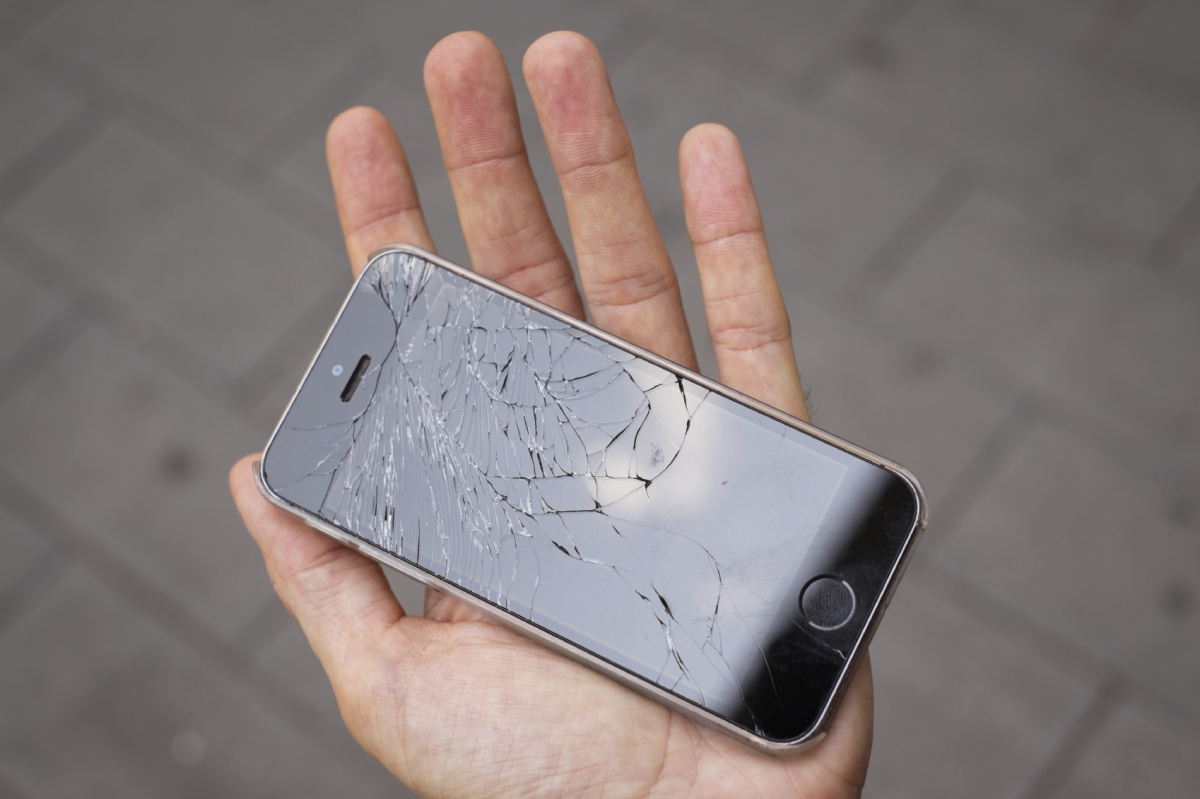
For
quite a few years a cracked screen was an inevitability for many iPhone
owners, but recent models have upped the standard of impact resistance.
iStock
Apple is possibly readying a stunning design change for its
2017 iPhone release,
one that could see the handset's smooth aluminium body binned in favour of a glass enclosure.
The excitement levels for the next, next iPhone are massive, as the
assumed 2017 release schedule just so happens to coincide with the
smartphone's 10th birthday. Considering the reliability of the source,
it seems that the feverishly anticipated tech anniversary will not
disappoint, as Apple reportedly prepares to reignite the 'age of glass'
as it celebrates a decade since the release of its original iPhone in
June 2007.
This wouldn't be Apple's first dalliance with glass
as its core design ingredient during the company's decade-long history
of smartphone dominance. The iPhone 4 and 4S famously flaunted glass
panels on the front and rear, separated only by a palm-digging strip of
steel. With Apple's most devoted fanatics always searching for something
new to show off, perhaps it's actually inspiration from an old design
that could up Apple's continued search for the 'wow-factor'.
The concept alone is invigorating, b
ut would an all-glass iPhone send hearts racing or have fans of the current aluminium design up-in-arms?
There's a reason an all-glass iPhone is initially a terrifying thought: those owners of said iPhone 4 and 4S
made up the common denominator responsible for a never-ending
procession of Apple Care claims for shattered screens. No one wants to
go back to the days of treating their phones like newborns in fear the
slightest slip ends in tears.
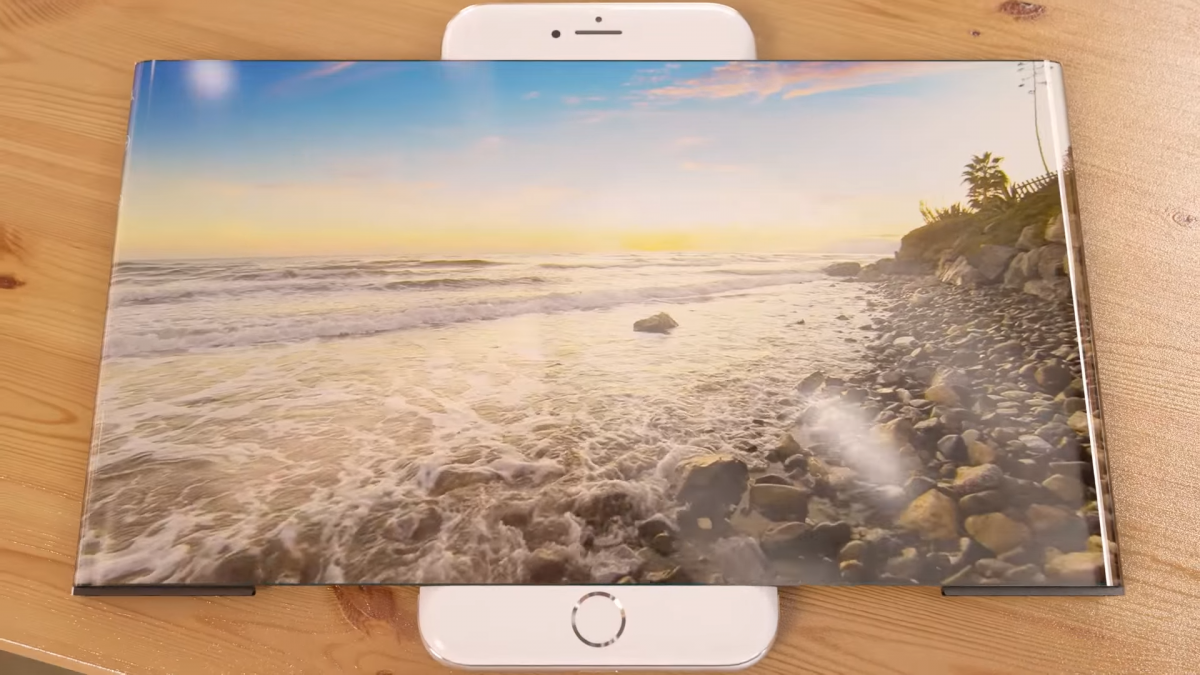
At least an all-glass iPhone is believable. Some of the recent 'future iPhone' concepts have stretched the imagination a bit.
ScreenshotNew form factor is the future
Apple will also be fully aware from HTC (circa 2015) that
incremental design changes only go so far and a beautiful, sweeping
left-turn in design is better than languishing with the tried and true, especially as design apathy tends to creep into the consumer market every few years.
Several other industry analysts also suggest the other key
logical benefit of a glass design is mobile reception, something Samsung
itself hinted at when it moved from the plastic-backed Galaxy S5 to the
sleekness of the Galaxy S6 and recent Galaxy S7.
Any signal improvements that could also improve mobile data stability
are also welcome - even if it is a relatively unsexy progression.
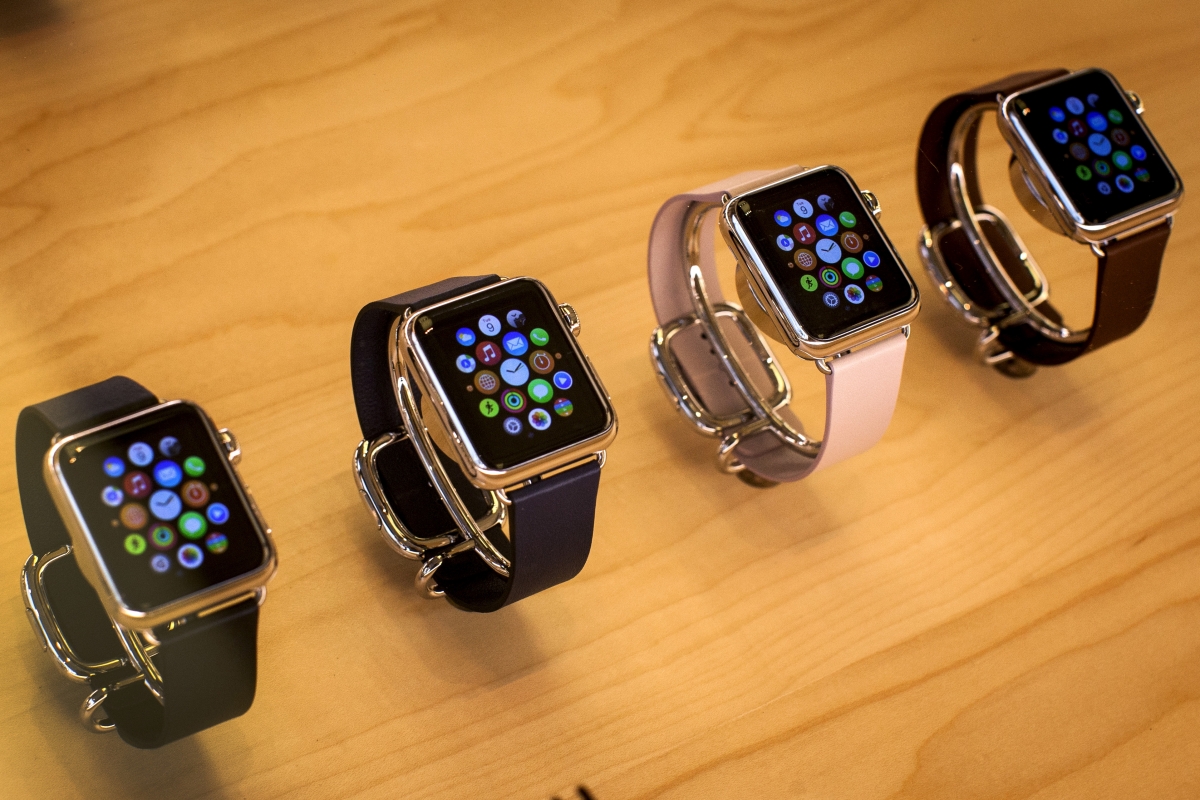
Is Apple's premium smartwatch the key to the 2017 iPhone?
ReutersRealistically, it'd be wildly expensive because of the extensive manufacturing process, but - considering the disparate pricing for the Sport-version of Apple's smartwatch and the bank-breaking premium versions - an 'iPhone Sapphire' variant isn't out of the realms of possibility.
With the iPhone 7 rumour-mill abuzz with talk of dual-cameras and headphone jack removals, 2016 is seemingly the year that Apple bucks the trend of numerically different iPhones bringing in radical change - although even the most minor improvement often results in the Apple faithful flocking to own the Cupertino company's latest product.
Just imagine the
fever-pitch (and Apple Store queues) for a gorgeous, glistening, premium
iPhone. I'd also bet that Apple is doing the same.
Post a Comment